QLD/NT Branch Update EOY 2025

In his mid-year report, ACA QLD/NT Branch President Brett Hudson identified three major forces shaping practice across Queensland: tightening pipelines, growing contractual and financial risk, and the escalating need for stronger and more resilient business systems. In 2025, these dynamics were evident across practices of every size.
The ACA has responded to these challenges with targeted advocacy, clearer business guidance, and member-focused opportunities for networking and knowledge exchange. Collectively, these initiatives have helped provide practical support for architects navigating a more complex operating environment.
Advocacy
Advocacy remained a central focus for the QLD/NT Committee. As project pipelines softened and cost pressures mounted, the committee concentrated on procurement, contracts, and compliance challenges, particularly for small and medium practices. Engagement with government departments and industry bodies – including quarterly reviews with the Office of the Queensland Government Architect – ensured architects’ perspectives were included in key policy discussions, from fee structures to the role of architects in public projects.
In 2025, the Committee submitted 24 specific recommendations to the Queensland Productivity Commission aimed at improving construction sector efficiency. The submission addressed procurement models, risk management, workforce and skills development, technology adoption, and regulatory reform, positioning architects as integral to a more productive, safe, and innovative industry. These recommendations directly reflected Queensland’s operational realities and reinforced the ACA’s advocacy for more equitable and practical systems. Read more about the Queensland Productivity Commission Submission here, as well as our national advocacy work with Advocacy in Action and the Christmas Tender Campaign.

Pulse Check 2025 – Key Insights
The annual Pulse Check captured business conditions across Queensland, highlighting a profession balancing resilience with ongoing operational pressures. Key findings included:
- Softening workflows: Smaller practices reported low confidence in short-term pipelines.
- Rising administrative and contractual burden: More complex contracts, extended approvals, and shifting client expectations increased workload and risk.
- Recruitment pressures: Practices struggled to attract experienced talent, particularly for mid-career and regional roles, despite moderating demand.
These insights inform the committee’s 2026 priorities, emphasising practical guidance on contracts, fee-setting, and resource planning. Read more about the mid-year pulse check here.
Events & Programs
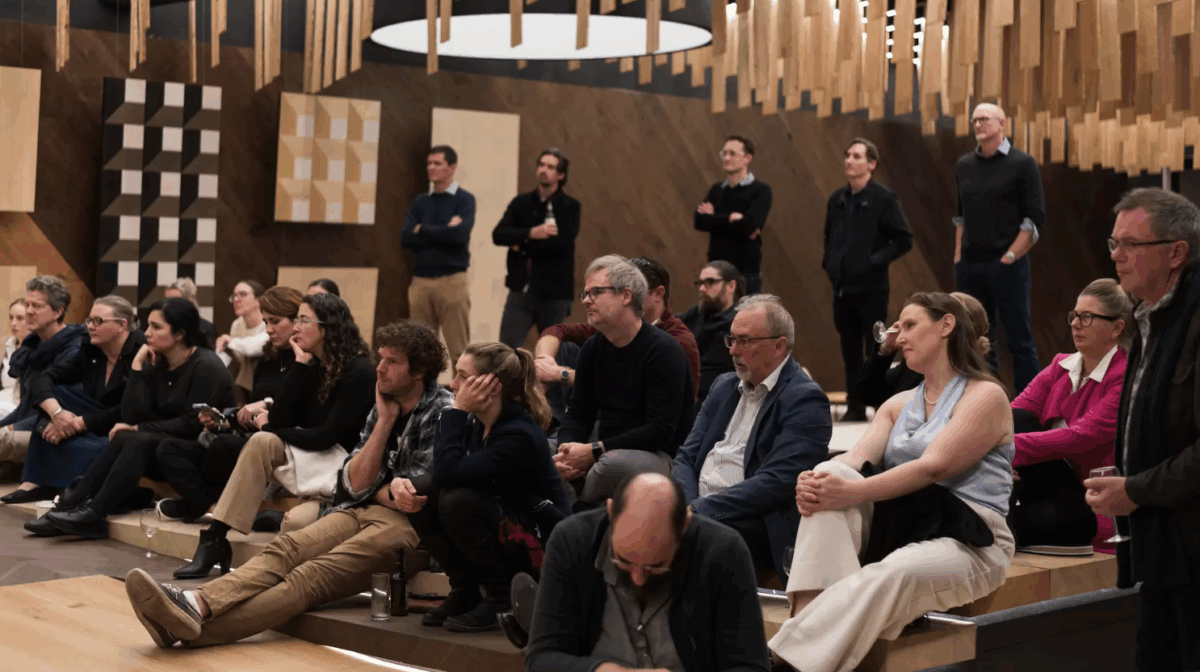
The QLD/NT events program continued to engage members throughout the year. The June Business of Small Practice (BoSP) session – Sustainability, Stars and DTS – explored how architects balance efficiency, regulatory compliance, and design excellence. Presenters shared strategies for integrating sustainability without compromising project goals, while panel discussions highlighted approaches to collaboration with assessors and clients. Later in the year, Under Pressure: Small Practice, Setbacks and Success provided a forum for frank discussion about leadership, workload, and resilience in smaller practice.
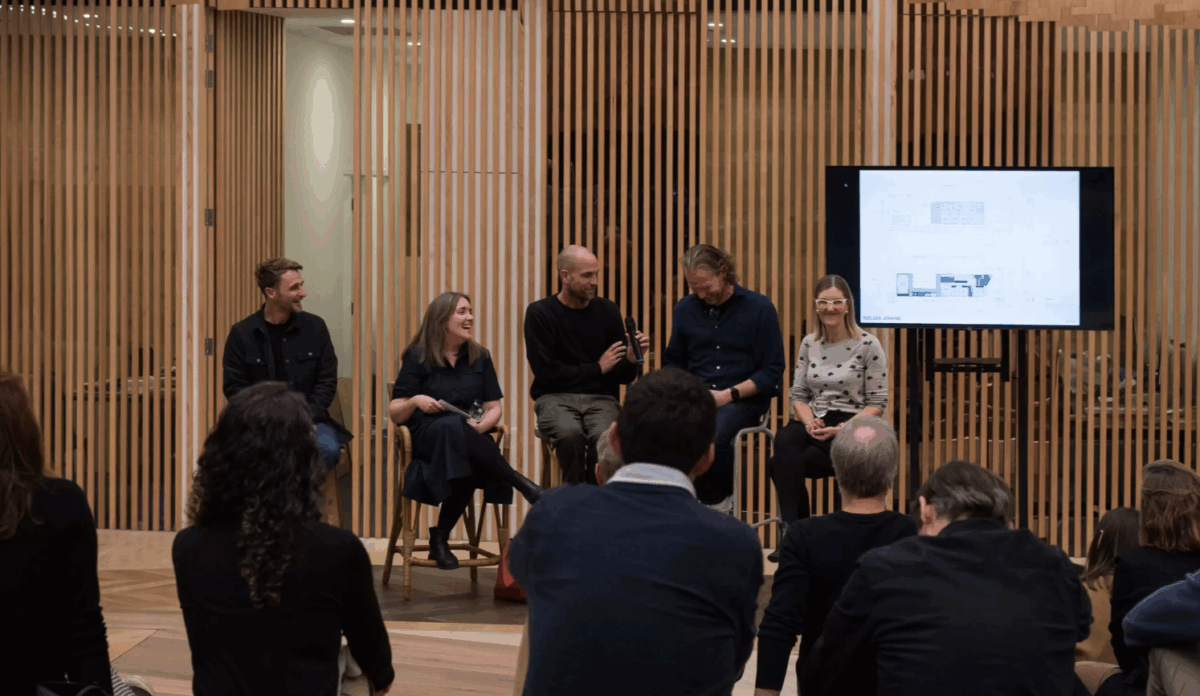
CPD sessions expanded to cover business systems, emerging technologies, and risk mitigation. Practice tours, including a Stratco factory tour in Darwin, offered hands-on insight into material innovation and procurement pathways. Building for Success, a panel discussion held in celebration of World Architecture Day, focused on how to sustain a successful architectural practice in today’s environment, with panellists ranging from solo practitioners to mid-sized practices that have experienced rapid growth.
Membership & Partnerships
Membership remained stable despite a variable market, with strong participation from small and medium practices. Partnerships with consultants, suppliers, and aligned professional bodies strengthened CPD offerings, while collaborations with educational institutions broadened access to diverse perspectives and expertise.
Looking Ahead to 2026
Many of the pressures identified in Brett Hudson’s mid-year report persist: procurement complexity, fee compression, and operational risk continue to challenge practices, while broader economic uncertainty remains. Against this backdrop, the committee will focus on:
- Delivering clearer business and practice management guidance;
- Advocating for policies that reflect Queensland and NT operational realities; and
- Offering events prioritising practical knowledge, peer learning, and capability building.
The goal is consistent: equip architects with the tools, clarity, and support needed to operate sustainably and creatively while strengthening the collective voice of the profession.
In January, we will also be reaching out to members to support upcoming advocacy initiatives. Your shared experience and lived insight are critical to informing our work and driving meaningful change.
We look forward to announcing a compelling 2026 events calendar, with an expanded program of discussion-led panels designed to encourage exchange, debate and connection.
ACA’s Sponsors
We want to express our deepest gratitude to our Corporate Partners for their ongoing support. Their commitment to the architectural industry enables us to host valuable events and foster collaboration across the profession. Their support is critical to the success of our programs, and we truly value their investment in the community.